
Remedies and treatments for bad breath

31 products

Halitosis, commonly known as "bad breath," is a condition that can negatively impact your social life and self-confidence. It can have a variety of causes, from inadequate oral hygiene to digestive problems or oral diseases. Here are the main remedies and treatments for halitosis, from medications to specific products, including natural remedies and supplements.

Over-the-counter medications for bad breath
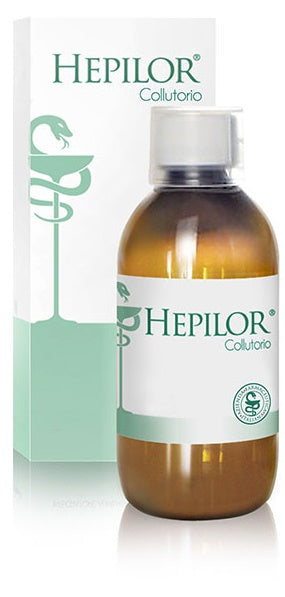
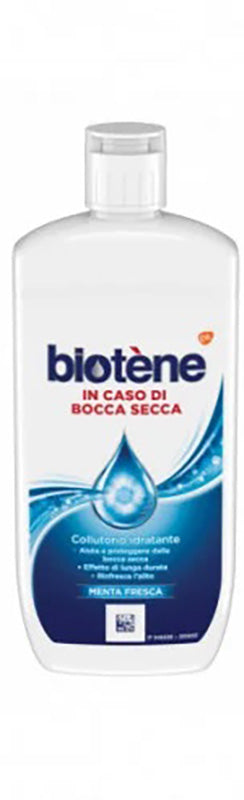
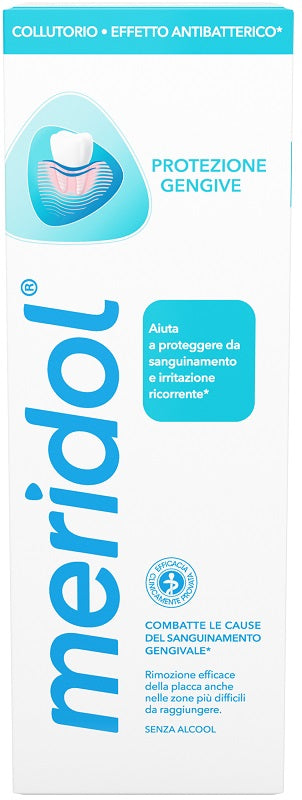
Over-the-counter medications for bad breath include mouthwashes and sprays containing antibacterial agents (such as chlorhexidine), which help combat the microorganisms responsible for bad odor. Some products may contain zinc or lactoferrin, ingredients that effectively neutralize the volatile sulfur compounds that cause bad breath. Balsamic lozenges or chewing gum enriched with xylitol may offer temporary relief, but they don't always address the root cause.

Cosmetics for bad breath
While bad breath isn't a purely cosmetic problem, the "Cosmetics" category includes products designed to improve fresh breath and oral comfort. Cosmetic mouthwashes, "whitening and refreshing" toothpastes, and mint or eucalyptus-flavored oral sprays can provide a long-lasting clean sensation. Regular use of a tongue scraper helps remove residue on the tongue, which often causes unpleasant odors. Proper lip and mucous membrane care also helps maintain a healthy mouth.

Natural remedies for bad breath
Among the most common natural remedies and treatments for bad breath are rinsing with water and baking soda, which acts as a mild disinfectant and odor neutralizer. Tea tree essential oil, when properly diluted, has antibacterial properties and can be used as a gargle. Chewing fresh mint or parsley leaves is a traditional remedy, while drinking herbal teas made from sage or fennel can aid digestion, thus reducing the risk of stomach odors.

Specific supplements for bad breath
Supplements can be especially helpful when bad breath is associated with gastrointestinal disorders or nutritional deficiencies. Chlorophyll-based products, for example, are known for their natural "deodorizing" action. Probiotics specifically designed for oral health help maintain a balanced oral flora, reducing the proliferation of harmful bacteria. B vitamins and zinc, in some cases, can contribute to better oral and gum health.

Conclusions
Managing bad breath requires a comprehensive approach that includes daily oral hygiene, the use of specific products, and particular attention to diet and digestion. Remedies and treatments for bad breath vary depending on the cause: oral or digestive problems, or improper tongue cleaning. If bad breath persists despite proper hygiene and the use of freshening solutions, it's important to consult a doctor or dentist to investigate any underlying conditions. With the right care, you can maintain fresh breath and a healthy mouth.

Take care of your skin

Complete care for beautiful skin. Take advantage of our special offers!

See the products