
-
Vendor:LA ROCHE POSAY
EFFACLAR K+ 40 ML
Regular price €21,89Regular priceUnit price per€0,00Sale price €21,89 -
Vendor:DUCRAY
KERACNYL CLEANSING GEL 400 ML
Regular price €22,90Regular priceUnit price per€0,00Sale price €22,90 -
Vendor:BENZAC
BENZAC 10% GEL"TUBE 40 G
Regular price €24,50Regular priceUnit price per€0,00Sale price €24,50 -
Vendor:FILORGA
FILORGA SP ENZYMATIC EXFOLIATING CREAM 75 ML
Regular price €22,90Regular priceUnit price per€31,00Sale price €22,90-26% -
Vendor:EUCERIN
EUCERIN DERMOPURIFYER PROTECTIVE FLUID SPF30 50 ML
Regular price €19,90Regular priceUnit price per€0,00Sale price €19,90 -
Vendor:COMPEED
COMPEED HIDE & GO PIMPLE STOP PATCHES 15 PIECES
Regular price €15,99Regular priceUnit price per€0,00Sale price €15,99 -
Vendor:COMPEED
COMPEED STOP PIMPLE CLEANSING PATCHES 7 PIECES
Regular price €8,60Regular priceUnit price per€9,99Sale price €8,60-13% -
Vendor:SVR
SEBIACLEAR CICAPEEL FLASH 15 ML
Regular price €16,00Regular priceUnit price per€0,00Sale price €16,00 -
Vendor:SVR
SEBIACLEAR SET AMPOULE FLASH 30 ML + WASHING CREAMS 200 ML
Regular price €59,00Regular priceUnit price per€0,00Sale price €59,00 -
Vendor:SVR
SEBIACLEAR SET ACTIVE GEL 40 ML + MOUSSANT GEL 200 ML
Regular price €38,50Regular priceUnit price per€0,00Sale price €38,50 -
Vendor:SVR
SEBIACLEAR SET MAT+PORES 40 ML + MOUSSANT GEL 200 ML
Regular price €37,50Regular priceUnit price per€0,00Sale price €37,50 -
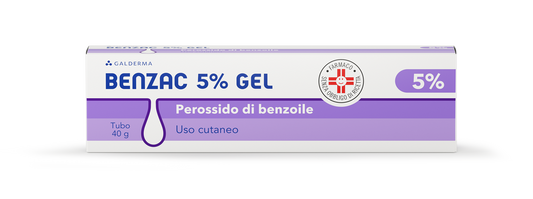
Vendor:BENZAC
BENZAC 5% GEL"TUBE 40 G
Regular price €23,50Regular priceUnit price per€0,00Sale price €23,50 -
Vendor:CISTIDIL
CISTIDIL "500 MG TABLETS"30 TABLETS"
Regular price €19,50Regular priceUnit price per€0,00Sale price €19,50 -
Vendor:LA ROCHE POSAY
EFFACLAR ASTRINGENT LOTION 200 ML
Regular price €18,15Regular priceUnit price per€0,00Sale price €18,15 -
Vendor:BIRETIX
BIRETIX TRIACTIVE 50 ML
Regular price €26,94Regular priceUnit price per€0,00Sale price €26,94 -
Vendor:VICHY
NORMADERM PHYTOSOLUTION TREATMENT 50 ML
Regular price €30,30Regular priceUnit price per€31,50Sale price €30,30-3% -
Vendor:RILASTIL
RILASTIL MD ACNESTIL MOUSSE 165 ML
Regular price €20,64Regular priceUnit price per€20,90Sale price €20,64-1% -
Vendor:RILASTIL
RILASTIL ACNESTIL PB SEBUM REGULATING GEL SERUM 30 ML
Regular price €21,63Regular priceUnit price per€21,90Sale price €21,63-1% -
Vendor:PHARCOS
PHARCOS LIPOSKIN FOAM 150 ML
Regular price €17,59Regular priceUnit price per€0,00Sale price €17,59 -
Vendor:2740
KERALISE FACE CREAM FOR ACNE AND IMPURE SKIN GLYCOLIC ACID 6% 30 ML
Regular price €18,02Regular priceUnit price per€0,00Sale price €18,02




Take care of your skin
Complete care for beautiful skin. Take advantage of our special offers!