
-
Vendor:SANITPHARMA
ALIANT INTIMACTIV 200 ML
Regular price €17,90Regular priceUnit price per€0,00Sale price €17,90 -
Vendor:SAUGELLA
SAUGELLA GIRL PH NEUTRAL 200 ML
Regular price €6,89Regular priceUnit price per€8,60Sale price €6,89-19% -
Vendor:GYNO CANESTEN
GYNOCANESTEN INTHIMA SOOTHING COSMETIC 200 ML
Regular price €10,00Regular priceUnit price per€0,00Sale price €10,00 -
Vendor:SAUGELLA
SAUGELLA POLIGYN PH NEUTRAL SOOTHING AND EMOLLIENT INTIMATE CLEANSER 500 ML
Regular price €17,70Regular priceUnit price per€0,00Sale price €17,70 -
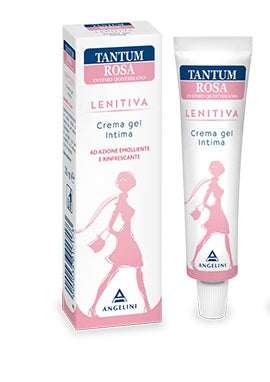
Vendor:TANTUM ROSA
TANTUM ROSA SOOTHING CREAM 30 ML
Regular price €12,20Regular priceUnit price per€0,00Sale price €12,20 -
Vendor:SAUGELLA
SAUGELLA POLIGYN PH NEUTRAL SOOTHING AND EMOLLIENT INTIMATE CLEANSER 250 ML
Regular price €8,90Regular priceUnit price per€11,40Sale price €8,90-21% -
Vendor:ALKAGYN
ALKAGIN DETERGENTE INTIMO LENITIVO ALCALINO 400 ML
Regular price €11,10Regular priceUnit price per€14,50Sale price €11,10-23% -
Vendor:2119
SAGINIL IN 10 CANNULAE 60 ML TUBE
Regular price €26,46Regular priceUnit price per€29,50Sale price €26,46-10% -
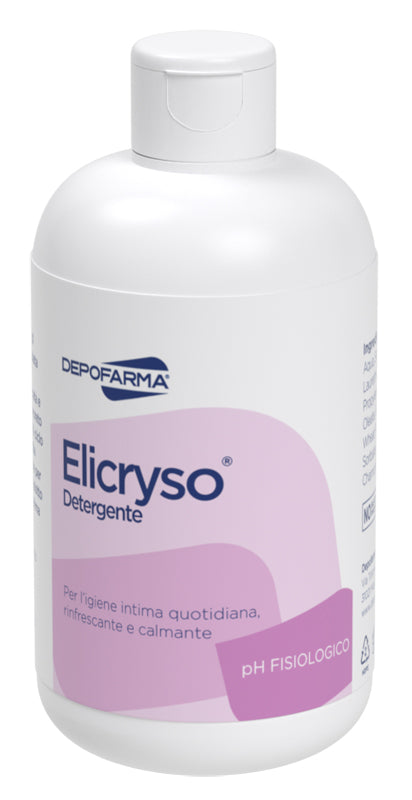
Vendor:ELICRYSO
ELICRYSO INTIMATE CLEANSER 200 ML
Regular price €9,49Regular priceUnit price per€0,00Sale price €9,49 -
Vendor:CIEFFE DERMA
LESSPAIN SPRAY 30 ML
Regular price €21,72Regular priceUnit price per€22,00Sale price €21,72-1% -
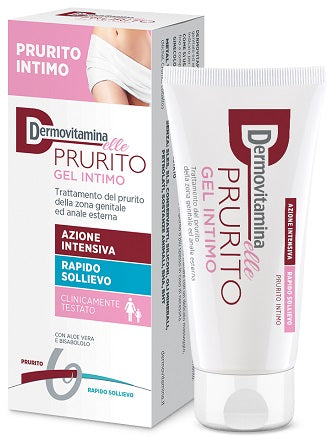
Vendor:DERMOVITAMINA
DERMOVITAMINA ELLE ITCHING INTIMATE GEL 30 ML
Regular price €10,11Regular priceUnit price per€0,00Sale price €10,11 -
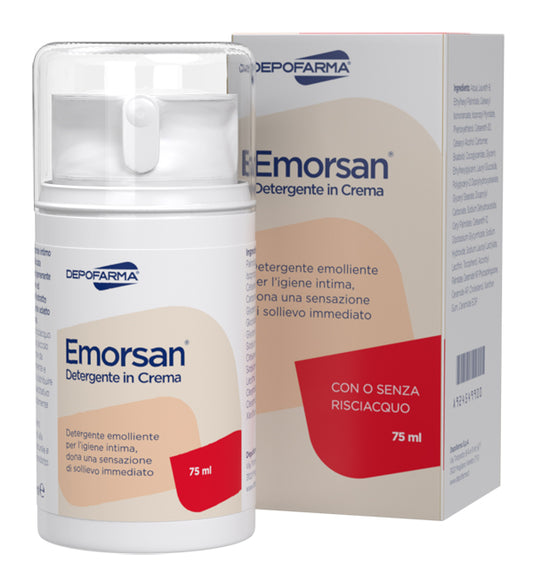
Vendor:DEPOFARMA
EMORSAN CREAM CLEANSER 75 ML
Regular price €16,95Regular priceUnit price per€0,00Sale price €16,95 -
Vendor:KRAMEGIN
KRAMEGIN CREAM 40 ML
Regular price €12,78Regular priceUnit price per€0,00Sale price €12,78 -
Vendor:AUSILIUM
AUSILIUM MOUSSE 150 ML
Regular price €15,80Regular priceUnit price per€0,00Sale price €15,80 -
Vendor:AFLOVAG
AFLOVAG GYNECOLOGICAL CREAM TUBE 30G
Regular price €17,58Regular priceUnit price per€0,00Sale price €17,58 -
Vendor:MAR-FARMA
CLIMIL GEL 30 ML
Regular price €21,02Regular priceUnit price per€0,00Sale price €21,02 -
Vendor:GINEDIE
GINEDIE VAGINAL CREAM 25 ML
Regular price €15,70Regular priceUnit price per€15,90Sale price €15,70-1% -
Vendor:VIDERMINA
VIDERMINA DELIGYN INTIMATE CLEANSER 500 ML NEW FORMULATION
Regular price €16,71Regular priceUnit price per€16,90Sale price €16,71-1% -
Vendor:TANTUM ROSA
TANTUM ROSA SOOTHING SPRAY 40 ML
Regular price €12,05Regular priceUnit price per€12,20Sale price €12,05-1% -
Vendor:ZANTOGIN
ZANTOGIN INTIMATE CLEANSER 250 ML
Regular price €10,74Regular priceUnit price per€0,00Sale price €10,74






Take care of your skin
Complete care for beautiful skin. Take advantage of our special offers!