
-
Vendor:TEVA
TEVA SENIOR MULTIVITAMIN 30 TABLETS 39 G
Regular price €6,36Regular priceUnit price per€14,60Sale price €6,36-56% -
Vendor:SUPRADYN
SUPRADYN REFILL 15 EFFERVESCENT TABLETS
Regular price €14,90Regular priceUnit price per€0,00Sale price €14,90 -
Vendor:SUPRADYN
SUPRADYN REFILL 35 TABLETS
Regular price €19,40Regular priceUnit price per€0,00Sale price €19,40 -
Vendor:TEVA
TEVA ADULT MULTIVITAMIN 30 TABLETS 30 G
Regular price €5,40Regular priceUnit price per€12,00Sale price €5,40-55% -
Vendor:GOLDEN WAVE
BIVITAL 60 VEGETABLE CAPSULES
Regular price €17,50Regular priceUnit price per€0,00Sale price €17,50 -
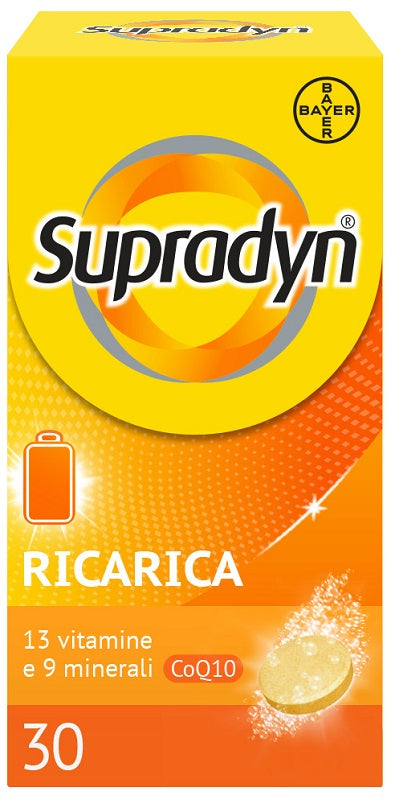
Vendor:SUPRADYN
SUPRADYN REFILL 30 EFFERVESCENT TABLETS
Regular price €16,93Regular priceUnit price per€24,90Sale price €16,93-32% -
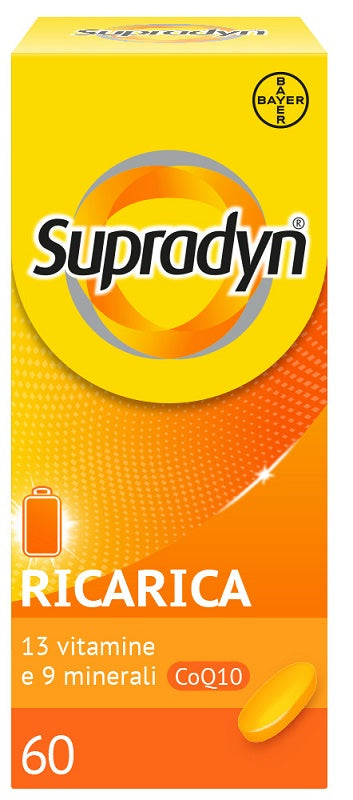
Vendor:SUPRADYN
SUPRADYN REFILL 60 TABLETS
Regular price €18,66Regular priceUnit price per€26,50Sale price €18,66-29% -
 -19%Vendor:PHARMANUTRA
APPORTAL 14 SACHETS
Regular price €21,68Regular priceUnit price per€26,90Sale price €21,68-19% -
Vendor:530A
CK PROMIN ASCORBIC ACID + BICARBONATE 200 32.8 G
Regular price €33,00Regular priceUnit price per€0,00Sale price €33,00 -
Vendor:LONGLIFE
LONGLIFE B12 1000 MCG 60 TABLETS
Regular price €14,45Regular priceUnit price per€18,70Sale price €14,45-22% -
Vendor:BE-TOTAL
BE-TOTAL CLASSIC 100 ML
Regular price €14,50Regular priceUnit price per€15,79Sale price €14,50-8% -
Vendor:LONGLIFE
LONGLIFE B12 50MCG SUBLINGUAL 100 TABLETS
Regular price €15,20Regular priceUnit price per€0,00Sale price €15,20 -
Vendor:D.M.G. ITALIA
NADIONE 200 ML
Regular price €18,30Regular priceUnit price per€0,00Sale price €18,30 -
Vendor:LONGLIFE
LONGLIFE B COMPLEX 50 GRADUAL RELEASE 60 DIVISIBLE TABLETS
Regular price €19,90Regular priceUnit price per€0,00Sale price €19,90 -
Vendor:PRINCIPIUM
PRINCIPIUM COMPLEX B FORTE 24 VEGETABLE CAPSULES
Regular price €6,49Regular priceUnit price per€10,00Sale price €6,49-35% -
Vendor:ORSOVIT
ORSOVIT GUMMY CANDIES WITH VITAMIN BB GLUTEN FREE 60 PIECES
Regular price €9,90Regular priceUnit price per€0,00Sale price €9,90 -
Vendor:BE-TOTAL
BE-TOTAL CLASSIC 200 ML
Regular price €21,96Regular priceUnit price per€23,50Sale price €21,96-6% -
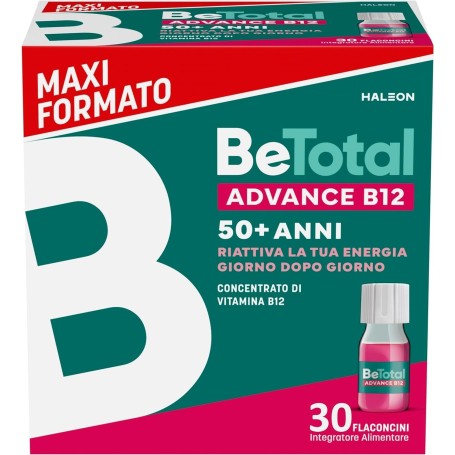
Vendor:BE-TOTAL
BETOTAL ADVANCE B12 30 VIALS OF 7 ML
Regular price €32,89Regular priceUnit price per€34,55Sale price €32,89-4% -
Vendor:MULTICENTRUM
MULTICENTRUM ADULTS 30 TABLETS
Regular price €11,23Regular priceUnit price per€13,95Sale price €11,23-19% -
Vendor:MULTICENTRUM
MULTICENTRUM WOMEN 50+ 30 TABLETS
Regular price €14,73Regular priceUnit price per€23,50Sale price €14,73-37%






Take care of your skin
Complete care for beautiful skin. Take advantage of our special offers!