Hyperhidrosis is a condition characterized by excessive sweating, which can affect various parts of the body, such as the armpits, hands, feet, and face. This condition can significantly impact quality of life, causing social discomfort and difficulty with daily activities. Hyperhidrosis can be primary (without an obvious cause) or secondary (associated with medical conditions or medications). Here are the main remedies and treatments for hyperhidrosis, divided into pharmacological, natural, cosmetic, and advanced therapies.
Over-the-counter medications for hyperhidrosis
There are several over-the-counter medications that are useful for managing hyperhidrosis:
Aluminum chloride-based antiperspirants: They temporarily block the sweat glands, reducing sweat production.
Antiperspirant wipes: offer immediate relief and are useful for touch-ups throughout the day.
Specific gels or sprays: formulated for the most affected areas, such as hands, feet, or armpits, they reduce sweating and leave a feeling of freshness.
These products must be used regularly to achieve optimal results.
Cosmetics for hyperhidrosis
The cosmetics sector offers targeted solutions to improve the comfort and well-being of people suffering from hyperhidrosis:
- Advanced deodorants: formulated with antibacterial and antiperspirant ingredients to control sweat and bad odor.
- Breathable clothing: made with technical or natural fabrics that promote the evaporation of sweat.
- Absorbent insoles: useful for reducing foot sweating and preventing bad odors.
- Skincare products: Lightweight, non-comedogenic moisturizers that won't clog pores.
These products help manage symptoms and improve comfort in daily life.
Natural remedies for hyperhidrosis
Among the remedies and cures for hyperhidrosis, natural treatments can offer complementary support:
- Black tea: rich in tannins, it can be used in foot baths or compresses to reduce sweating.
- Apple cider vinegar: applied topically, it regulates the skin's pH and reduces the activity of the sweat glands.
- Baking soda: absorbs sweat and neutralizes bad odors, useful for hands and feet.
- Sage: taken as an herbal tea or used in compresses, it reduces sweating thanks to its astringent properties.
- These natural remedies can be used regularly for better results.
Specific supplements for hyperhidrosis
Food supplements can help regulate sweating and improve overall well-being:
- Vitamin B5: helps reduce the activity of the sweat glands.
- Magnesium: useful for reducing stress-related sweating.
- Zinc: improves skin health and reduces bad odor associated with sweating.
- Probiotics: promote the balance of the microbiota, which can influence the odor of sweat.
Consult a doctor or nutritionist before starting any supplement treatment.
Medical treatments for hyperhidrosis
In case of severe hyperhidrosis or hyperhidrosis resistant to home treatments, advanced treatment options are available:
- Botulinum toxin (Botox) injections: These temporarily block the nerve signals that stimulate the sweat glands.
- Iontophoresis: non-invasive treatment that uses a mild electrical current to reduce sweating.
- Anticholinergic drugs: prescribed by your doctor, they reduce the activity of the sweat glands.
- Surgical interventions (sympathectomy): used only in the most severe cases, they involve the removal or blocking of the nerves responsible for hyperhidrosis.
These treatments must be performed under the supervision of a specialist.
Prevention and best practices
Adopting some daily habits can help prevent or reduce the impact of hyperhidrosis:
- Wear light, breathable clothing, preferring natural materials such as cotton or linen.
- Use specific antiperspirants before going to sleep, when the sweat glands are less active.
- Avoid spicy foods, caffeine, and alcohol, which can increase sweating.
- Manage stress with relaxation techniques such as yoga or meditation.
Conclusions
Hyperhidrosis can be effectively managed with a combination of specific products, natural remedies, and advanced medical treatments. Remedies and treatments for hyperhidrosis include aluminum chloride-based antiperspirants, black tea foot baths, supplements to regulate sweating, and medical therapies such as Botox or iontophoresis. For best results, it's recommended to consult a dermatologist for an accurate diagnosis and personalized treatment plan.

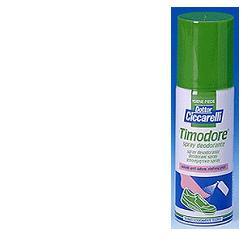
 -22%Vendor:TIMODORE