Remedies and Treatments for Onychophagia

11 products

Onychophagia, or nail biting, is a compulsive behavior that can be related to stress, anxiety, boredom, or habit. In addition to damaging the nails, this behavior can cause problems such as infections, nail deformities, and damage to the teeth or gums. Managing this problem requires a comprehensive approach that includes physical, psychological, and practical remedies. Here are the main remedies and treatments for onychophagia.

Over-the-counter medications for nail biting
Although there are no specific medications for onychophagia, some over-the-counter products can help reduce the behavior:

- Bitter nail polishes: when applied to the nails, they have an unpleasant taste that discourages nail biting.
- Moisturizing hand and cuticle creams: These improve the appearance of nails and can reduce the urge to bite them.
- Fingernail plasters: Protect nails and act as a physical barrier to prevent biting.

If you experience significant anxiety or stress, it's important to consult a doctor or psychologist to identify more targeted strategies.

Cosmetics for onychophagia
Improving the appearance of your nails and hands can be an incentive to quit the habit of onychophagia. Among the most useful cosmetic solutions are:

- Gel or acrylic nail reconstruction: protects natural nails and makes biting them more difficult.
- Regular manicures: Keeping your nails short and well-groomed can reduce the temptation to bite them.
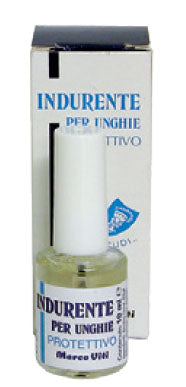
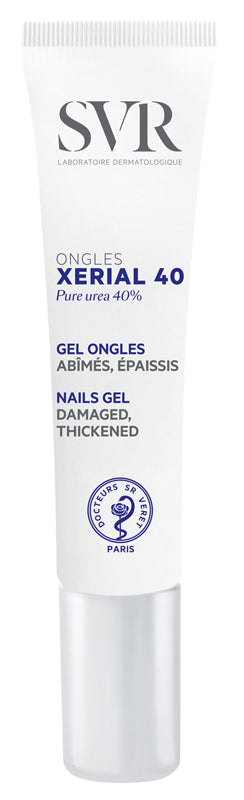
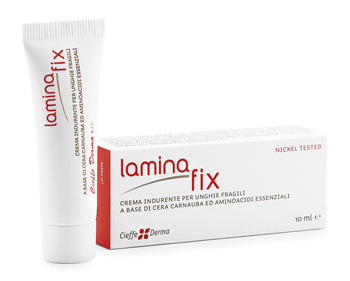
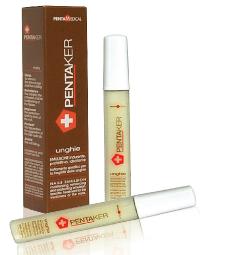
- Nail strengthening treatments: products based on keratin, calcium, or silicon help regenerate damaged nails.

Taking care of your hands and nails can also improve self-esteem and reduce the urge to bite them.

Natural remedies for onychophagia
Among the natural remedies and cures for onychophagia, some solutions can help combat this habit:

- Essential oils (tea tree, lavender, lemon): when massaged into the nails, they have a strong odor and an unpleasant taste that discourages the action.
- Pepper or ginger: applied as a home remedy to the nails, they create an uncomfortable sensation when brought to the mouth.
- Relaxing infusions based on valerian or chamomile: they help reduce stress and anxiety, which are often the cause of onychophagia.

These remedies must be used in a safe and controlled manner to avoid irritation.

Specific supplements for onychophagia
Supplements can improve nail health and provide psychophysical support to address onychophagia:

- Biotin: promotes the growth of stronger, healthier nails.
- Zinc: useful for strengthening brittle nails and preventing damage.
- Vitamin B and magnesium: contribute to relaxation and stress management.
- Omega-3: promotes mental well-being and can reduce compulsive behaviors.

Consulting a doctor or nutritionist to choose the most suitable product is essential.

Behavioral strategies and psychological support
Onychophagia is often a habit related to emotional issues. To address the cause of the problem, some behavioral strategies can be adopted:

- Relaxation techniques: yoga, meditation, or deep breathing to reduce stress.
- Cognitive behavioral therapy (CBT): Helps identify triggers and develop mechanisms to manage the urge.
- Habit replacement: Holding a stress ball or chewing sugarless gum as an alternative to nail biting.

Conclusions
Managing nail biting requires commitment and patience. Remedies and treatments for nail biting include the use of bitter nail polish, regular manicures, essential oils, and behavioral strategies to break the habit. Improving overall nail health with specific supplements and addressing any emotional factors with the support of a professional are key steps to overcoming the problem. With a combination of treatments and determination, it is possible to permanently free yourself from nail biting.

Take care of your skin

Complete care for beautiful skin. Take advantage of our special offers!

See the products