
-
Vendor:CORTIDRO
CORTIDRO "0.5% CREAM" TUBE 20 G"
Regular price €15,90Regular priceUnit price per€0,00Sale price €15,90 -
Vendor:EUCLORINA
EUCLORINA ERYTHEMA "0.5% CREAM" 1 TUBE OF 20 G"
Regular price €12,00Regular priceUnit price per€0,00Sale price €12,00 -
Vendor:NEOVIDERM
NEOVIDERM SKIN EMULSION 100 ML TUBE
Regular price €19,50Regular priceUnit price per€0,00Sale price €19,50 -
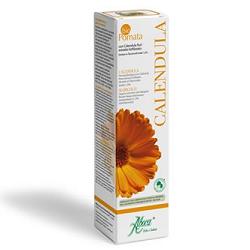
Vendor:ABOCA
CALENDULA BIOPOMATA 50 ML
Regular price €10,31Regular priceUnit price per€15,90Sale price €10,31-35% -
Vendor:DERMOFLAN
DERMOFLAN CREAM ML 40
Regular price €18,90Regular priceUnit price per€24,00Sale price €18,90-21% -
Vendor:FOILLE
FOILLE BURNS CREAM 29.5 G TUBE
Regular price €12,20Regular priceUnit price per€0,00Sale price €12,20 -
Vendor:PREP
PREP DERMOPROTECTIVE CREAM 75 G
Regular price €5,40Regular priceUnit price per€0,00Sale price €5,40 -
Vendor:FOILLE
FOILLE SOLE CREAM 1 TUBE OF 30 G
Regular price €12,20Regular priceUnit price per€0,00Sale price €12,20 -
Vendor:799A
SERENITY CARE ZINC SPRAY 250 ML
Regular price €10,91Regular priceUnit price per€0,00Sale price €10,91 -
Vendor:FOILLE
FOILLE SOLE SKIN SPRAY, SOLUTION 1 PRESSURIZED CONTAINER OF 70 G
Regular price €16,90Regular priceUnit price per€0,00Sale price €16,90 -
Vendor:CEMON
CALENDULA TALC 100 G
Regular price €11,83Regular priceUnit price per€13,00Sale price €11,83-9% -
Vendor:6273
METRONIDAZOLE SAME "1% GEL" 1 TUBE 30 G"
Regular price €16,50Regular priceUnit price per€0,00Sale price €16,50 -
Vendor:ROZEX
ROZEX 0.75% CREAM 1 50 G AL TUBE
Regular price €39,90Regular priceUnit price per€0,00Sale price €39,90 -
Vendor:ORTODERMINA
ORTODERMINA 5% CREAM 10G TUBE
Regular price €11,50Regular priceUnit price per€0,00Sale price €11,50 -
Vendor:HALIMED
HALIMED 100 MG/G CREAM 1 AL TUBE OF 75 G
Regular price €16,90Regular priceUnit price per€0,00Sale price €16,90 -
Vendor:DERMOVITAMINA
DERMOVITAMINA FILMOCARE ANTI-RUBBING GEL 100 ML NEW
Regular price €21,81Regular priceUnit price per€0,00Sale price €21,81 -
Vendor:DERMOVITAMINA
DERMOVITAMINA FILMOCARE ANTI-RUBBING GEL 30 ML NEW
Regular price €12,91Regular priceUnit price per€0,00Sale price €12,91 -
Vendor:MARCO VITI
CALENDULA VITI CREAM 100 ML
Regular price €11,23Regular priceUnit price per€12,90Sale price €11,23-12% -
Vendor:PREP
PREP DERMO CREAM 75 ML MS FREE TUBE
Regular price €4,12Regular priceUnit price per€4,40Sale price €4,12-6% -
Vendor:ESI
ESI ALOE VERA PURE GEL 200 ML
Regular price €17,62Regular priceUnit price per€17,90Sale price €17,62-1%




Take care of your skin
Complete care for beautiful skin. Take advantage of our special offers!