
ACTI
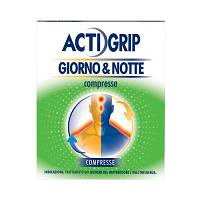
ACTIGRIP DAY & NIGHT "500 MG + 60 MG TABLETS" 12 DAY TABLETS + "500 MG + 25 MG TABLETS" 4 NIGHT TABLETS"
ACTIGRIP DAY & NIGHT "500 MG + 60 MG TABLETS" 12 DAY TABLETS + "500 MG + 25 MG TABLETS" 4 NIGHT TABLETS"

 Secure payment
 Discreet and sanitized package
 Fast and safe shipping


Description
Description
ACTIGRIP DAY & NIGHT tablets
Paracetamol, Pseudoephedrine hydrochloride, Diphenhydramine hydrochloride
What is it and what is it for?
ACTIGRIP DAY AND NIGHT is a medicine used to treat cold and flu symptoms.
What you need to know before taking the medicine
Do not take ACTIGRIP DAY AND NIGHT if:
• are allergic to paracetamol, pseudoephedrine hydrochloride, diphenhydramine hydrochloride or any of the other ingredients of this medicine (listed in section 6);
• have high blood pressure (hypertension) or heart disease (cardiovascular disease);
• if you have very high blood pressure (severe hypertension) or hypertension not controlled by drugs;
• if you suffer from severe acute (sudden) or chronic (long-term) kidney disease or kidney failure;
• have had a stroke or think you may be at risk of this condition (for example if you have high blood pressure, diabetes or high cholesterol or smoke);
• are taking or have taken in the last two weeks medicines for depression known as monoamine oxidase inhibitors (MAOIs);
• suffers or has suffered from convulsions or epilepsy;
• have glaucoma (increased pressure inside the eye which may cause vision to worsen);
• have had symptoms due to a disease known as favism or fava bean disease, which causes a decrease in red blood cells (glucose-6-phosphate dehydrogenase deficiency);
• have a narrowing (stenosis) of the stomach or intestine (gastrointestinal tract), bladder, urethra or ureters (urogenital tract);
• suffers from asthma;
• suffers from diabetes;
• has increased thyroid function (hyperthyroidism);
• has an enlarged prostate that causes problems such as difficulty urinating or the need to urinate frequently (prostatic hypertrophy);
• is pregnant or thinks she may be pregnant or is breastfeeding.
Do not use ACTIGRIP DAY AND NIGHT in children under 12 years of age.
Warnings and precautions
Talk to your doctor or pharmacist before taking ACTIGRIP DAY AND NIGHT if:
• have severe haemolytic anaemia (a disease that destroys red blood cells) or have a blood disorder known as glucose-6-phosphate dehydrogenase deficiency;
• has liver problems, takes drugs that alter its functioning or uses large quantities of alcohol (alcoholism);
• has respiratory problems such as: emphysema or chronic bronchitis;
• have kidney problems (reduced kidney function);
• has thyroid problems;
• is taking concomitant analgesics, antipyretics, anticoagulants or antiplatelet drugs.
During treatment with ACTIGRIP DAY & NIGHT, tell your doctor immediately if:
• if you have serious illnesses, including severe kidney failure or sepsis (when bacteria and their toxins circulate in the blood causing organ damage), or malnutrition, chronic alcoholism, or if you are also taking flucloxacillin (an antibiotic). A serious condition called metabolic acidosis (an abnormality of the blood and fluids) has been reported in patients with these conditions when paracetamol is used at regular doses over a prolonged period or when paracetamol is taken in combination with flucloxacillin. Symptoms of metabolic acidosis may include: severe breathing difficulties with rapid, deep breathing, drowsiness, nausea, and vomiting.
Stop using ACTIGRIP DAY AND NIGHT and contact your doctor if you do not notice any improvement or if you notice worsening of your symptoms or if new symptoms appear.
Cases of posterior reversible encephalopathy syndrome (PRES) and reversible cerebral vasoconstriction syndrome (RCVS) have been reported following the use of medicinal products containing pseudoephedrine.
PRES and RCVS are rare conditions that can cause reduced blood flow to the brain. Stop using Actigrip day and night immediately and seek immediate medical attention if you develop symptoms that could be signs of PRES or RCVS (see section 4 "Possible side effects" for symptoms).
Sudden abdominal pain or rectal bleeding may occur with ACTIGRIP DAY AND NIGHT due to inflammation of the colon (ischaemic colitis). If you experience these gastrointestinal symptoms, stop using ACTIGRIP DAY AND NIGHT and contact your doctor or seek immediate medical attention. (See section 4 "Possible side effects").
With ACTIGRIP DAY AND NIGHT, reduced blood flow to the optic nerve may occur. If you experience sudden vision loss, stop taking ACTIGRIP DAY AND NIGHT and contact your doctor or healthcare provider immediately. See section 4.
One of the active ingredients in ACTIGRIP DAY AND NIGHT, pseudoephedrine, can be abused, and high doses of pseudoephedrine can be toxic. Continued use may result in taking more ACTIGRIP DAY AND NIGHT than recommended to achieve the desired effect, thus increasing the risk of overdose. The maximum recommended dose and duration of treatment should not be exceeded (see section 3).
ACTIGRIP DAY AND NIGHT should be discontinued if, for example, high blood pressure, rapid heartbeat, feeling unwell, nausea, headache or increased headache occur.
Important information about paracetamol
• High doses of paracetamol can cause adverse reactions, even serious ones, especially affecting the liver, kidneys, and blood. CAUTION: The total daily dose of paracetamol should not exceed 4 grams per day.
Do not use ACTIGRIP DAY AND NIGHT at doses higher than recommended, or for a long time, or at the same time as other medicines containing paracetamol (see "Other medicines and ACTIGRIP DAY AND NIGHT").
Severe skin reactions
Serious skin reactions, manifested by redness, blistering or pus formation and peeling (e.g. acute generalized exanthematous pustulosis (AGEP), Stevens-Johnson syndrome, toxic epidermal necrolysis (TEN) and drug reaction with eosinophilia and systemic symptoms (known as DRESS syndrome) have been reported very rarely during treatment with paracetamol (see section 4. "Possible side effects"). Patients appear to be at highest risk in the early stages of therapy: the onset of the reaction occurs in the majority of cases in the early stages of treatment.
Severe skin reactions such as acute generalized exanthematous pustulosis (AGEP) have been reported with products containing pseudoephedrine. This acute pustular eruption may occur within the first 2 days of treatment, with fever and numerous, small, mostly non-follicular pustules arising from a widespread edematous erythema, located primarily in the skin folds, trunk, and upper limbs. If you develop a generalized febrile erythema associated with pustules, stop taking ACTIGRIP DAY AND NIGHT and contact your doctor or seek immediate medical attention. (See section 4. "Possible side effects").
STOP treatment with ACTIGRIP DAY AND NIGHT and contact your doctor if you notice any skin reaction or other signs of allergy (see section 4).
• Due to its paracetamol content, ACTIGRIP DAY AND NIGHT may influence the results of some laboratory tests, such as tests for measuring uric acid (uricemia) and glucose (glycemia) in the blood.
For those who play sports : the use of the drug without therapeutic need constitutes doping and may still result in a positive result in anti-doping tests.
Possible side effects
Like all medicines, this medicine can cause side effects, although not everybody gets them.
Stop treatment with ACTIGRIP DAY AND NIGHT immediately and contact your doctor urgently if you develop symptoms that could be signs of posterior reversible encephalopathy syndrome (PRES) or reversible cerebral vasoconstriction syndrome (RCVS). These include:
• severe headache with sudden onset;
• nausea;
• vomit;
• confusion;
• convulsions;
• changes in vision.
Very common side effects (may affect more than 1 in 10 people):
- Abdominal and stomach pain;
- Difficult digestion (dyspepsia);
- Diarrhea;
- Vomiting, dry throat;
- Heachache;
- Drowsiness;
- Sedation;
- Excitement;
- Increased sweating;
- Sleep disturbances;
- Altered vision;
- Skin rashes;
- Hives;
- Dry nose.
Common side effects (may affect up to 1 in 10 people):
- Itching;
- Contact dermatitis;
- Inflammation of the skin or mucous membranes;
- Reduction in blood pressure including dizziness or lightheadedness when standing up (orthostatic/postural hypotension);
- Irregular heartbeat (arrhythmia);
- Increased heart rate (tachycardia);
- Nervousness;
- Insomnia;
- Dizziness;
- Ringing or buzzing in the ears (tinnitus);
- Problems with coordination of movements (ataxia);
- Euphoria;
- Tremors;
- Reduction of blood pressure (hypotension);
- Reduction of mucous secretions;
- Double vision (diplopia);
- Altered vision;
- Increased pressure in the eye with vision disorders (glaucoma, closed-angle glaucoma);
- Abdominal disorders (epigastric disorders);
- Difficulty breathing (dyspnea);
- Urinary retention;
- Increase in some blood values (hyperamylasemia);
- Fatigue;
- Weakness (asthenia);
- Liver function disorders;
- Nausea;
- Dry mouth.
Uncommon side effects (may affect up to 1 in 100 people):
- Skin reaction (fixed drug eruption);
- Severe skin rash (erythema multiforme);
- Widespread skin rash (exanthemas);
- Decreased kidney function (acute renal failure);
- Kidney inflammation (interstitial nephritis);
- Presence of blood in the urine (hematuria);
- Failure to produce urine (anuria);
- Constipation;
- Sneezing;
- Dryness of the throat and bronchi;
- Sensitivity of the skin to light (photosensitivity);
- Nervous system disorders (central depression);
- Mental confusion;
- Disturbances of cognitive function.
Rare side effects (may affect up to 1 in 10,000 people):
- Increased thyroid function (hyperthyroidism);
- Renal impairment (renal papillary necrosis);
- Hallucinations;
- Nightmares;
- Manias;
- Anxiety;
- Psychiatric disorders;
- Severe headaches;
- Decreased memory or concentration;
- Convulsions;
- Blood disorders (dyscrasias);
- Severe reduction in the number of white blood cells in the blood (agranulocytosis);
- Reduction in the number of red blood cells (anemia, hemolytic anemia);
- Reduction in the number of platelets (thrombocytopenia);
- Severe allergic reaction (anaphylactic shock);
- Swelling of the throat which may cause difficulty swallowing and breathing (larynx edema);
- Inflammation of the liver (hepatitis);
- Inflammation of the pancreas (pancreatitis).
Very rare side effects (may affect up to 1 in 10,000 people):
- Reduction in the number of white blood cells (leukopenia);
- Reduction in the number of a type of white blood cell called neutrophils (neutrophilia);
- Reduction in the number of all blood cells (pancytopenia);
- Chest pain (angina);
- Electrocardiogram changes (ST segment elevation);
- Myocardial infarction;
- Increased blood pressure (hypertension);
- Swelling due to fluid accumulation around the mouth and eyes (angioedema);
- Fluid accumulation (edema);
- Liver disorders (hepatotoxicity);
- Severe immune system response (toxic shock syndrome).
Frequency not known (frequency cannot be estimated from the available data)
- Serious conditions affecting the blood vessels in the brain known as posterior reversible encephalopathy syndrome (PRES) and reversible cerebral vasoconstriction syndrome (RCVS);
- Confusional state;
- Irritability;
- Agitation;
- Abnormal coordination;
- Altered sensation (paraesthesia);
- Psychomotor hyperactivity;
- Stroke (cerebrovascular accident);
- Feeling nervous;
- Headache, confusion, convulsions, visual disturbances (See paragraph 2 "Warnings and precautions");
- Alteration of some blood values (increased transaminases), increased blood pressure;
- Widespread skin rash (itchy rash);
- Severe skin reactions (see section 2 "Warnings and precautions");
- Difficulty urinating (dysuria);
- Chest discomfort;
- Awareness of the heartbeat (palpitations);
- Allergic reactions (hypersensitivity);
- Visual hallucination;
- Inflammation of the colon due to insufficient blood supply (ischemic colitis) (See section "2 Warnings and precautions");
- The sudden onset of fever, redness of the skin or numerous small pustules (possible symptoms of Acute Generalized Exanthematous Pustulosis - AGEP) may occur within the first two days of treatment with ACTIGRIP DAY AND NIGHT (See section "2 Warnings and precautions").
Stop using ACTIGRIP DAY AND NIGHT if you develop these symptoms and contact your doctor or seek medical help immediately;
- Reduction of blood flow to the optic nerve (ischemic optic neuropathy);
- Serious condition that can make the blood more acidic (called metabolic acidosis), in patients with a serious illness who use paracetamol (see section 2).
Reporting of side effects
If you experience any side effects, including any not listed in this leaflet, talk to your doctor or pharmacist. You can also report side effects directly via the national reporting system at: https://www.aifa.gov.it/content/segnalazionireazioni-avverse .
By reporting side effects you can help provide more information on the safety of this medicine.
ACTI
ACTIGRIP DAY & NIGHT "500 MG + 60 MG TABLETS" 12 DAY TABLETS + "500 MG + 25 MG TABLETS" 4 NIGHT TABLETS"
ACTIGRIP DAY & NIGHT "500 MG + 60 MG TABLETS" 12 DAY TABLETS + "500 MG + 25 MG TABLETS" 4 NIGHT TABLETS"
Couldn't load pickup availability
Product images are purely indicative and may not be fully representative of the packaging and product features, as they may vary in color, size, or content. Any decorations, gift wrapping, and items included in the images for product presentation purposes will not be shipped with orders. Product names, ingredients, and percentages indicated in the descriptions are purely indicative and may be subject to change or updates by the manufacturers. Due to the impossibility of updating these updates in real time, the photos and technical information of the products listed on farmaInnovation.it may differ from those shown on the label or otherwise disclosed by the manufacturers. The only identifying element is the MINSAN (Ministry of Health) code. Farmacia Barni, farmainnovation.it , does not guarantee the accuracy and timeliness of the information published and declines all responsibility for any errors, omissions, or failure to update it. farmainnovation.it assumes no responsibility for damages of any kind that may arise from accessing the published information.