
CTARD
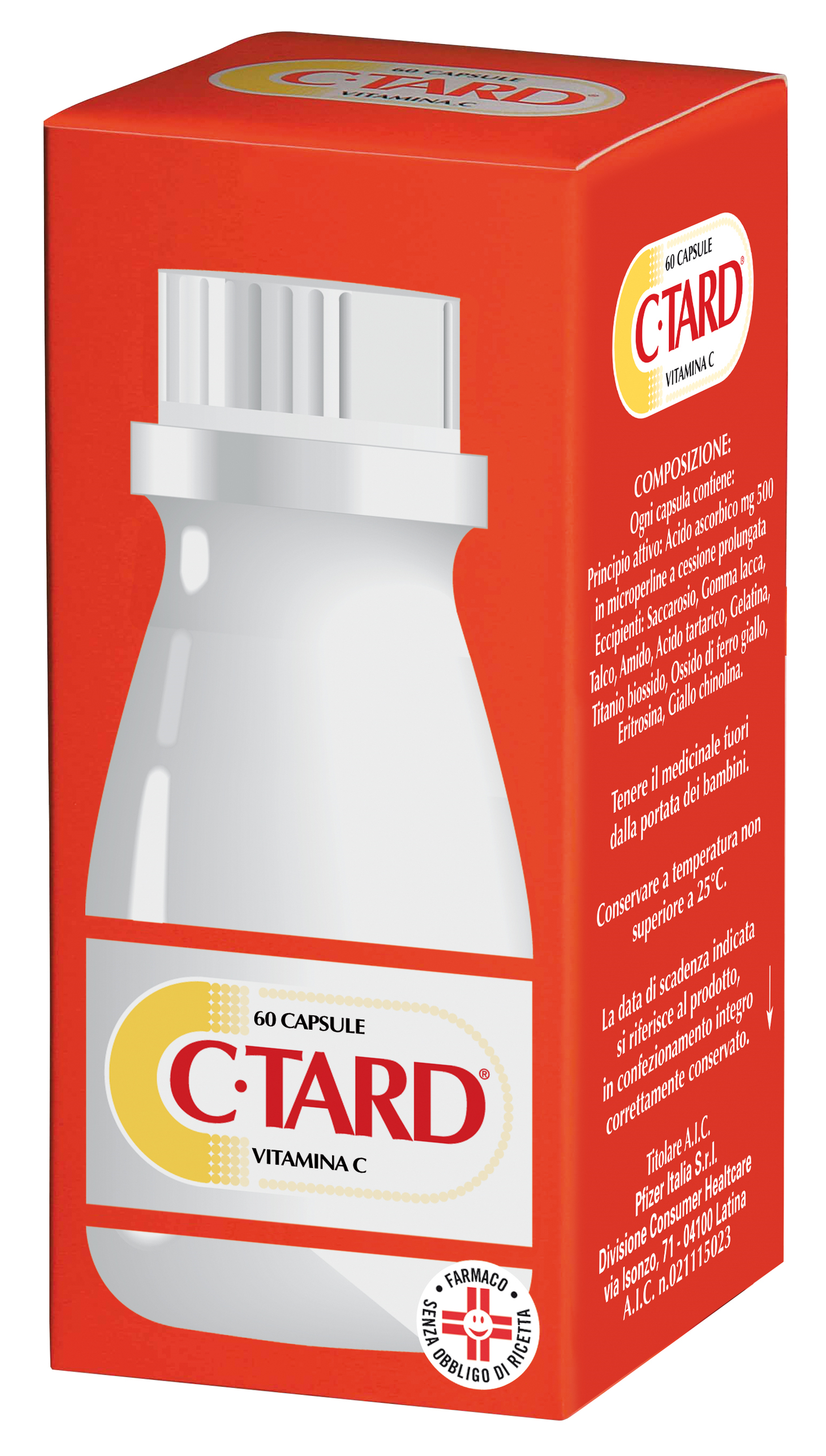
CTARD "500 MG PROLONGED-RELEASE HARD CAPSULES" 60 CAPSULES"
CTARD "500 MG PROLONGED-RELEASE HARD CAPSULES" 60 CAPSULES"

 Secure payment
 Discreet and sanitized package
 Fast and safe shipping


Description
Description
C-TARD 500 mg prolonged-release hard capsules
Vitamin C
What is it and what is it for?
C-Tard contains the active ingredient ascorbic acid (vitamin C).
C-Tard is indicated:
• in the prevention and treatment of conditions in which the body has a vitamin C deficiency:
- pregnancy
- breastfeeding
- tendency to bleed due to fragile capillaries.
• as an additional therapy in case of inflammation of the mouth (stomatitis) and gums (gingivitis).
Talk to your doctor if you do not feel better or if you feel worse after a short time of treatment.
What you need to know before taking the medicine
DO NOT take C-Tard
• If you are allergic to ascorbic acid (vitamin C) or any of the other ingredients of this medicine (listed in section 6).
• If you suffer from oxalate urolithiasis or hyperoxaluria (kidney stones).
• If you suffer from severe impairment of kidney function or kidney failure.
• If you are a child under 6 years old.
Warnings and precautions
Talk to your doctor or pharmacist before taking C-Tard.
Ascorbic acid should not be taken in higher doses or for longer periods than recommended, as overdose may cause calcium oxalate deposits and acute tubular necrosis and/or renal failure.
Vitamin C should be used with caution by individuals who suffer, or have suffered in the past, from nephrolithiasis (kidney stones) and by those affected by:
- G6PD (Glucose-6-phosphate dehydrogenase) deficiency, anemia due to destruction of the red blood cell wall;
- Hemochromatosis (disease caused by excessive accumulation of iron in various organs and tissues);
- Thalassemia (genetic blood disease caused by reduced or absent hemoglobin synthesis);
- Sideroblastic anemia (anemia caused by the body's inability to store iron in red blood cells).
Possible side effects
Like all medicines, this medicine can cause side effects, although not everybody gets them.
The following adverse reactions have been observed with the use of C-Tard and are based on spontaneous reports:
Not known (frequency cannot be estimated from the available data):
• Allergic reactions, including hypersensitivity reactions (such as shortness of breath, swelling of the face and skin rash);
• Headache;
• Nausea, vomiting, diarrhea, dyspepsia (indigestion), abdominal pain.
Reporting of side effects
If you experience any side effects, including any not listed in this leaflet, talk to your doctor or pharmacist. You can also report side effects directly via the national reporting system at: https://www.aifa.gov.it/content/segnalazionireazioni-avverse .
By reporting side effects you can help provide more information on the safety of this medicine.
CTARD
CTARD "500 MG PROLONGED-RELEASE HARD CAPSULES" 60 CAPSULES"
CTARD "500 MG PROLONGED-RELEASE HARD CAPSULES" 60 CAPSULES"
Couldn't load pickup availability
Product images are purely indicative and may not be fully representative of the packaging and product features, as they may vary in color, size, or content. Any decorations, gift wrapping, and items included in the images for product presentation purposes will not be shipped with orders. Product names, ingredients, and percentages indicated in the descriptions are purely indicative and may be subject to change or updates by the manufacturers. Due to the impossibility of updating these updates in real time, the photos and technical information of the products listed on farmaInnovation.it may differ from those shown on the label or otherwise disclosed by the manufacturers. The only identifying element is the MINSAN (Ministry of Health) code. Farmacia Barni, farmainnovation.it , does not guarantee the accuracy and timeliness of the information published and declines all responsibility for any errors, omissions, or failure to update it. farmainnovation.it assumes no responsibility for damages of any kind that may arise from accessing the published information.