
526M
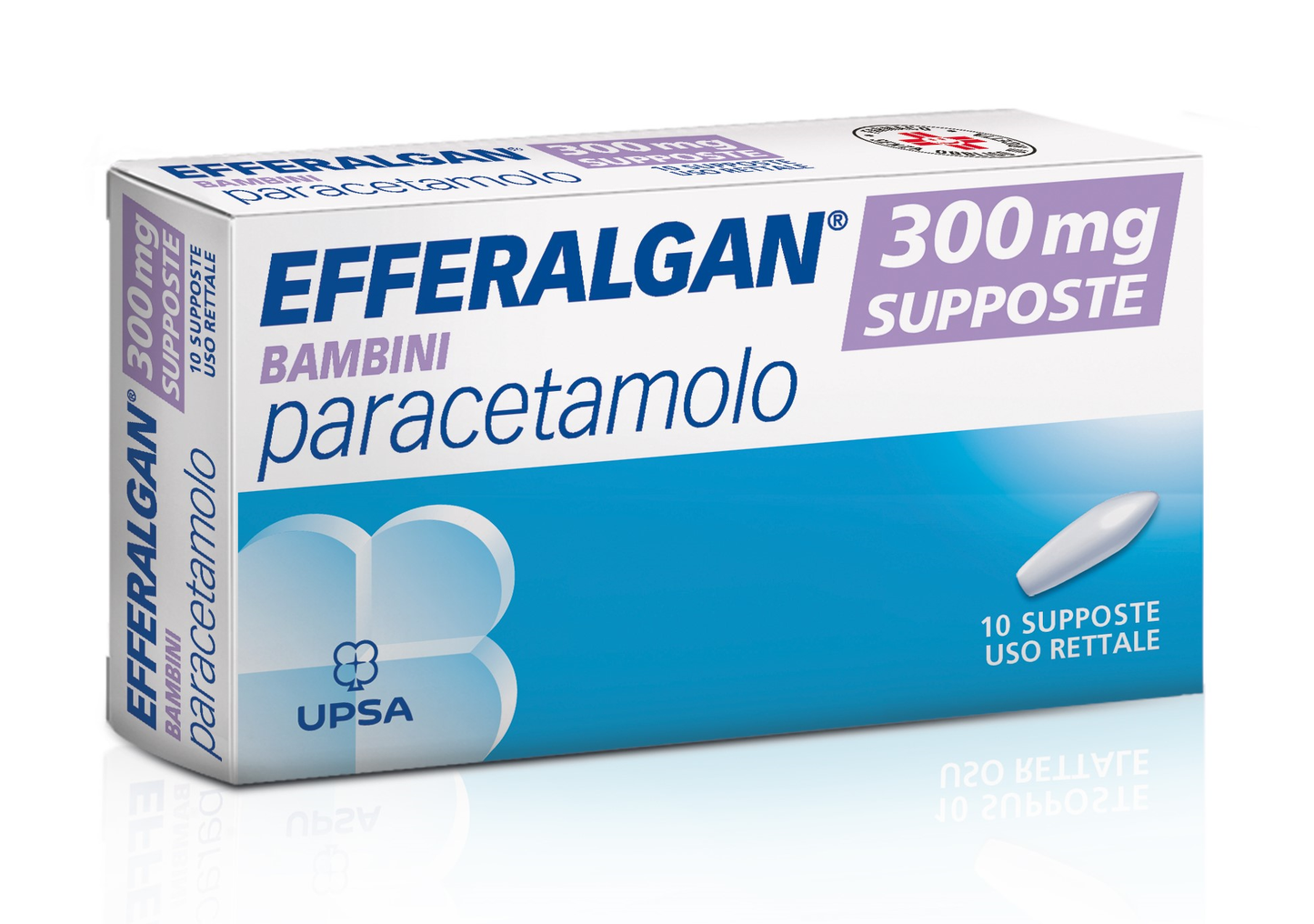
EFFERALGAN CHILDREN 300 MG SUPPOSITORIES 10 SUPPOSITORIES
EFFERALGAN CHILDREN 300 MG SUPPOSITORIES 10 SUPPOSITORIES

 Secure payment
 Discreet and sanitized package
 Fast and safe shipping


Description
Description
Efferalgan infants 80 mg suppositories
Efferalgan early childhood 150 mg suppositories
Efferalgan children 300 mg suppositories
Paracetamol
What is it and what is it for?
Efferalgan contains the active ingredient paracetamol which works by relieving pain (analgesic) and reducing fever (antipyretic).
Efferalgan is used in children with a body weight of 4 kg or more for :
• treatment of feverish symptoms;
• the symptomatic treatment of mild to moderate pain.
Talk to your doctor if you do not feel better or if you feel worse while taking this medicine.
What you need to know before taking the medicine
Do not use Efferalgan
if the person who has to take the medicine:
- are allergic to paracetamol or propacetamol hydrochloride (paracetamol precursor) or any of the other ingredients of this medicine (listed in section 6);
- is allergic to soy or peanuts.
Warnings and precautions
Use caution and talk to your doctor or pharmacist before using Efferalgan. During treatment with Efferalgan, tell your doctor immediately if:
• uses alcohol chronically. Alcohol consumption during therapy is not recommended;
• suffers from anorexia (an eating disorder characterized by lack or reduction of appetite);
• suffers from bulimia (an eating disorder in which a person gorges on excessive amounts of food and then resorts to various methods to eliminate it so as not to gain weight);
• suffers from cachexia (a condition characterized by extreme thinness, reduced muscle mass and thinning of the skin due to chronic diseases);
• suffers from chronic malnutrition;
• suffers from dehydration (severe loss of water/fluid from the body);
• suffers from hypovolemia (reduced volume of blood circulating in the body);
• suffer from mild/moderate reduction in liver function (including Gilbert's syndrome, a disease characterised by excessive production of bilirubin, a substance that causes a yellowish colour to the skin and eyes);
• suffers from serious liver problems;
• has acute hepatitis (acute inflammation of the liver);
• are taking medicines that stimulate liver enzymes (increase the way the liver works);
• suffers from glucose-6-phosphate dehydrogenase deficiency (a substance normally present in the human body, the deficiency of which can cause haemolytic anaemia);
• suffers from haemolytic anaemia (a disease caused by the destruction of some blood cells, red blood cells);
• suffer from renal insufficiency (kidney disease);
• prolonged fasting;
• suffer from serious illnesses, including severe kidney failure or sepsis (when bacteria and their toxins circulate in the blood causing organ damage), or malnutrition, chronic alcoholism, or if you are also taking flucloxacillin (an antibiotic). A serious condition called metabolic acidosis (an abnormality of the blood and fluids) has been reported in patients with these conditions when paracetamol is used at regular doses over a prolonged period or when paracetamol is taken in combination with flucloxacillin. Symptoms of metabolic acidosis may include: severe breathing difficulties with rapid, deep breathing, drowsiness, nausea, and vomiting.
Paracetamol can cause serious skin reactions that can be fatal. Efferalgan should be discontinued at the first appearance of a skin rash or any other sign of hypersensitivity/allergy.
Use of high doses and/or for prolonged periods
High or prolonged use of this medicine can cause serious liver problems and even serious changes to the kidneys and blood. In these cases, your doctor will monitor liver and kidney function and blood composition through appropriate tests.
Prolonged use of analgesics (for more than 3 months) in patients with chronic headache, especially if repeated and frequent, may increase or worsen the headache. In these cases, it is necessary to consult a doctor.
Children
This medicine can be given to children with a body weight of 4 kg or more (see section 3 "How to use Efferalgan").
Possible side effects
Like all medicines, this medicine can cause side effects, although not everybody gets them.
If you experience the following side effects , STOP taking this medicine and contact your doctor immediately :
• skin reactions that may manifest themselves with:
- itching;
- urticaria (appearance of hives on the skin accompanied by itching);
- skin rash;
- erythema (redness of the skin);
- erythema multiforme (appearance of red spots on the skin with a "bull's eye" appearance associated with itching);
- purpura (appearance of purple skin patches of varying sizes);
- Stevens-Johnson syndrome (severe form of erythema multiforme);
- epidermal necrolysis (a serious skin disease characterized by red, blistering lesions with areas of peeling and dying skin) acute generalized exanthematous pustulosis (an eruption of hundreds of superficial pustules spread over the entire body);
- fixed drug eruption (red/purple skin rash).
• allergic reactions that may manifest themselves with:
- laryngeal edema (swelling of the throat);
- angioedema (swelling of the hands, feet, ankles, face, lips, tongue, and/or throat);
- anaphylactic reaction (severe allergic reaction) including hypotension (low blood pressure);
- hypersensitivity;
- anaphylactic shock (severe allergic reaction);
- bronchospasm (excessive and prolonged contraction of the muscles of the airways which causes difficulty breathing).
In addition, the following side effects may occur, for which there are not enough data available to establish the frequency:
• thrombocytopenia (reduction in the number of platelets in the blood);
• leukopenia/agranulocytosis/neutropenia (reduction in the number of white blood cells in the blood);
• anemia (reduction of hemoglobin in the blood, the substance that carries oxygen in the blood);
• diarrhea;
• abdominal pain;
• stomach and intestinal reactions;
• abnormal liver function;
• hepatitis (inflammation of the liver);
• alteration of the INR (value used to express the time taken by the blood to clot);
• increased liver enzymes;
• heachache;
• dizziness;
• acute renal failure (reduction in kidney function);
• interstitial nephritis (inflammation of the kidneys);
• hematuria (blood in the urine);
• anuria (cessation or reduction of urine production by the kidney);
• a serious condition that can make the blood more acidic (called metabolic acidosis), in patients with a serious illness who use paracetamol (see section 2) with an unknown frequency (frequency cannot be estimated from the available data).
Reporting of side effects
If you experience any side effects, including any not listed in this leaflet, talk to your doctor or pharmacist. You can also report side effects directly via the national reporting system at: https://www.aifa.gov.it/content/segnalazionireazioni-avverse .
By reporting side effects you can help provide more information on the safety of this medicine.
526M
EFFERALGAN CHILDREN 300 MG SUPPOSITORIES 10 SUPPOSITORIES
EFFERALGAN CHILDREN 300 MG SUPPOSITORIES 10 SUPPOSITORIES
Couldn't load pickup availability
Product images are purely indicative and may not be fully representative of the packaging and product features, as they may vary in color, size, or content. Any decorations, gift wrapping, and items included in the images for product presentation purposes will not be shipped with orders. Product names, ingredients, and percentages indicated in the descriptions are purely indicative and may be subject to change or updates by the manufacturers. Due to the impossibility of updating these updates in real time, the photos and technical information of the products listed on farmaInnovation.it may differ from those shown on the label or otherwise disclosed by the manufacturers. The only identifying element is the MINSAN (Ministry of Health) code. Farmacia Barni, farmainnovation.it , does not guarantee the accuracy and timeliness of the information published and declines all responsibility for any errors, omissions, or failure to update it. farmainnovation.it assumes no responsibility for damages of any kind that may arise from accessing the published information.