
887Q
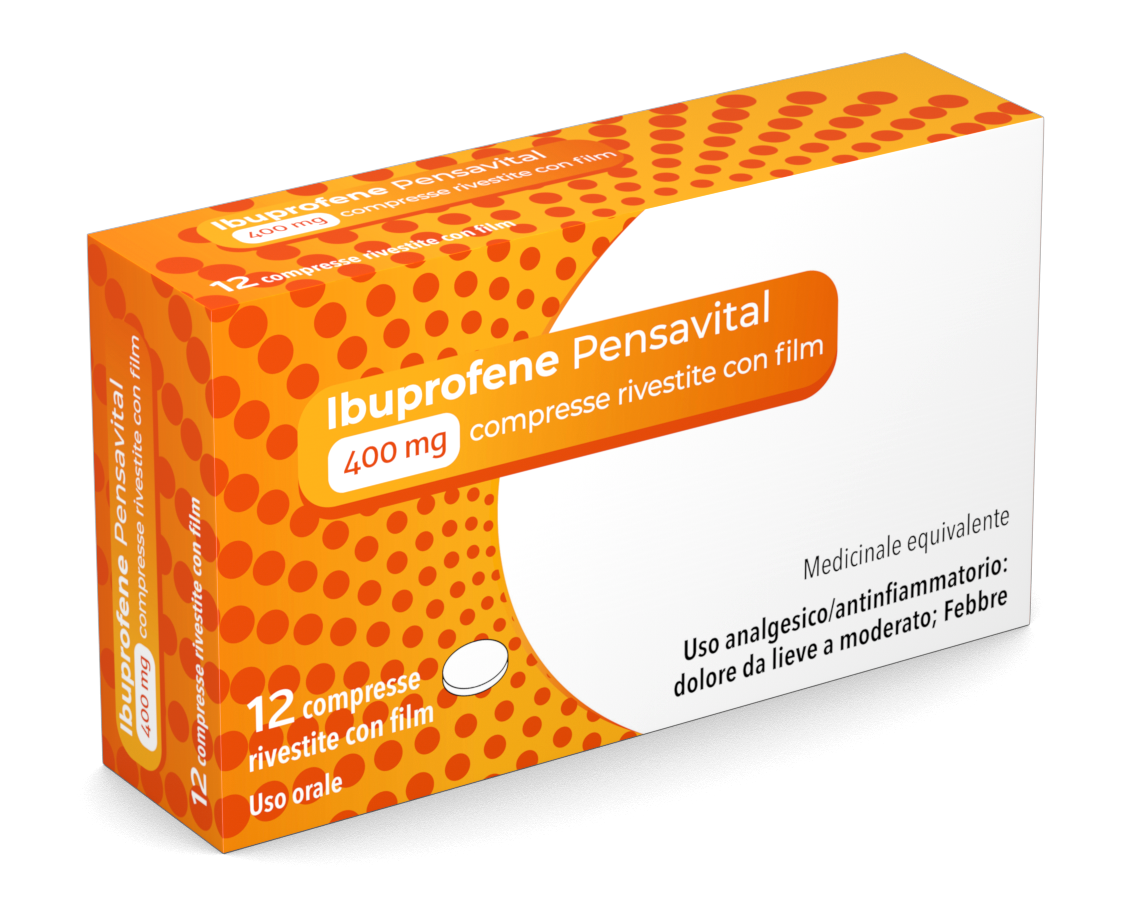
IBUPROFENE PENSA 400 MG FILM-COATED TABLETS 12 TABLETS IN AI/PVC/PVDC BLISTER
IBUPROFENE PENSA 400 MG FILM-COATED TABLETS 12 TABLETS IN AI/PVC/PVDC BLISTER

 Secure payment
 Discreet and sanitized package
 Fast and safe shipping


Description
Description
IBUPROFENE PENSAVITAL 400 mg film-coated tablets
Ibuprofen
What is it and what is it used for?
IBUPROFENE PENSAVITAL belongs to a group of medicines called NSAIDs (nonsteroidal anti-inflammatory drugs) that work by reducing pain, inflammation and fever.
IBUPROFENE PENSAVITAL 400 mg is used for the symptomatic treatment of mild to moderate pain such as headache, dental pain, menstrual pain and fever (less than 3 days).
What you need to know before taking the medicine
Do not take IBUPROFENE PENSAVITAL if:
- are allergic to ibuprofen or any other ingredient of this medicine (listed in section 6). Symptoms of an allergic reaction may include swelling of the eyelids, lips, tongue, or throat.
- if you have ever had an allergic reaction (such as bronchospasm (tightening of the lung muscles which can cause asthma and shortness of breath), asthma attacks, runny nose, swelling of the airways, skin reactions or sudden swelling) after taking acetylsalicylic acid or other similar painkillers (NSAIDs) you suffer from unexplained blood formation disorders
- have recurrent gastric/duodenal ulcers (peptic ulcers) or bleeding (at least 2 different episodes of confirmed ulcers or bleeding) have a history of gastrointestinal bleeding or perforation associated with previous NSAID treatment have any active bleeding (including cerebral bleeding)
- suffer from severe liver, kidney or heart problems
- has severe dehydration (caused by vomiting, diarrhea, or insufficient fluid intake)
- suffers from chronic alcoholism (14 to 20 drinks/week or more)
- is a child under 12 years of age or adolescents weighing less than 40 kg
- is in the last three months of pregnancy
Warnings and precautions
Talk to your doctor or pharmacist before taking IBUPROFENE PENSAVITAL.
Undesirable effects can be minimised by using the lowest effective dose to control symptoms for the shortest possible treatment period.
You should discuss your treatment with your doctor or pharmacist before taking IBUPROFENE PENSAVITAL if:
- have systemic lupus erythematosus (SLE, sometimes known as lupus) or connective tissue disease (an autoimmune disease affecting the connective tissue) have or have had gastrointestinal diseases (such as ulcerative colitis, Crohn's disease) as your condition may get worse
- suffer from certain hereditary blood formation diseases (e.g. acute intermittent porphyria)
- has reduced liver and kidney function
- recently underwent major surgery
- suffer from hay fever, nasal polyps, or chronic obstructive pulmonary disease, as there is an increased risk of allergic reactions. Allergic reactions may present as asthma attacks (so-called analgesic asthma), Quincke's edema (rapid swelling), or hives.
- he is dehydrated
- have an infection – see “Infections” section below.
Effects on the gastrointestinal tract
The combined use of IBUPROFENE PENSAVITAL with another nonsteroidal anti-inflammatory drug (NSAID), so-called COX-2 inhibitor (cyclooxygenase-2 inhibitor), should be avoided.
Gastrointestinal bleeding, ulcers and perforations
Gastrointestinal bleeding, ulcers, and perforation, sometimes fatal, have been reported with all NSAIDs. These have occurred at any time during therapy, with or without prior warning symptoms or a history of serious gastrointestinal events.
The risk of gastrointestinal bleeding, ulcers, and perforation increases with increasing NSAID doses and is greater in patients with a history of ulcers, especially with complications of bleeding or perforation (see section 2 "Do not take Ibuprofen Pensavital"), and in elderly patients. These patients should start treatment at the lowest available dose.
For these patients, as well as for patients requiring additional treatment with low-dose acetylsalicylic acid or other medicinal products that may increase the risk of gastrointestinal disorders, combination treatment with protective medicinal products (e.g. misoprostol or proton pump inhibitors) should be considered.
If you have a history of gastrointestinal side effects, especially if you are elderly, you should contact a doctor if you experience any unusual abdominal symptoms (especially gastrointestinal bleeding), particularly at the start of therapy.
Caution is advised if you are also taking other medicines that may increase the risk of ulcers or bleeding, e.g. oral corticosteroids, anticoagulants (blood thinners) such as warfarin, selective serotonin reuptake inhibitors (used to treat psychiatric disorders including depression), or platelet aggregation inhibitors such as acetylsalicylic acid (see section 2 "Other medicines and Ibuprofen Pensavital").
Treatment should be discontinued and a doctor should be consulted if you develop gastrointestinal bleeding or ulcers while taking Ibuprofen Pensavital. Effects on the cardiovascular system: Anti-inflammatory/pain-relieving medications such as ibuprofen may be associated with a small increased risk of heart attack or stroke, especially when used at high doses. Do not exceed the recommended dose or duration of treatment.
You should discuss your treatment with your doctor or pharmacist before taking IBUPROFENE PENSAVITAL if:
- have heart problems including heart failure and angina pectoris (chest pain), or if you have had a heart attack, bypass surgery, peripheral artery disease (poor blood circulation in the legs or feet due to narrow or blocked arteries), or any type of stroke (including "mini-stroke" or transient ischemic attack "TIA").
- have high blood pressure, diabetes, or high cholesterol, have a family history of heart disease or stroke, or are a smoker.
Renal effects
Caution should be exercised when initiating ibuprofen treatment in patients with significant dehydration. There is a risk of renal impairment, especially in dehydrated children, adolescents, and the elderly.
As with other NSAIDs, long-term administration of ibuprofen has caused renal papillary necrosis and other renal pathological changes. Renal toxicity has also been observed in patients in whom renal prostaglandins have a compensatory role in maintaining renal perfusion. In these patients, administration of an NSAID can cause a dose-dependent reduction in prostaglandin formation and, secondarily, renal blood flow, which may lead to renal failure. Patients at greatest risk of this reaction are those with impaired renal function, heart failure, hepatic dysfunction, those taking diuretics and ACE inhibitors, and the elderly. Discontinuation of NSAID therapy is usually followed by recovery to the pre-treatment state.
Skin reactions
Serious skin reactions, including exfoliative dermatitis, erythema multiforme, Stevens-Johnson syndrome, toxic epidermal necrolysis, drug reaction with eosinophilia and systemic symptoms (DRESS), and acute generalized exanthematous pustulosis (AGEP), have been reported in association with ibuprofen treatment. Stop using Ibuprofen Pensavital and contact your doctor immediately if you notice any of the symptoms related to these serious skin reactions described in section 4.
During chickenpox infection (varicella infection), it is advisable to avoid the use of IBUPROFENE PENSAVITAL.
Infections
Ibuprofen Pensavital may mask signs of infection, such as fever and pain. Therefore, Ibuprofen Pensavital may delay appropriate treatment of the infection, which may increase the risk of complications. This has been observed in pneumonia caused by bacteria and bacterial skin infections related to chickenpox. If you take this medicine while you have an infection and the symptoms persist or worsen, consult a doctor immediately.
Respiratory disorders and hypersensitivity reactions
Severe acute hypersensitivity reactions (e.g. anaphylactic shock) have been observed very rarely.
At the first signs of a hypersensitivity reaction after taking/administering IBUPROFENE PENSAVITAL, treatment should be discontinued and a doctor should be consulted. Necessary medical measures, based on the symptoms, should be initiated by a healthcare professional.
Hematological effects
Ibuprofen may temporarily inhibit platelet function (platelet aggregation). Patients with blood clotting disorders should therefore be carefully monitored.
During prolonged use of IBUPROFENE PENSAVITAL, regular monitoring of liver function tests, renal function and blood count is necessary.
If IBUPROFENE PENSAVITAL is taken before surgery, it is necessary to consult/inform your doctor or dentist.
SLE and mixed connective tissue disease
In patients with systemic lupus erythematosus (SLE) and mixed connective tissue disorders there may be an increased risk of aseptic meningitis (see below and section 4.8).
Aseptic meningitis
Aseptic meningitis has been observed on rare occasions in patients taking ibuprofen. Although it is likely more likely to occur in patients with systemic lupus erythematosus and related connective tissue diseases, it has been reported in patients without underlying chronic disease.
Patients who experience eye problems while taking ibuprofen should discontinue therapy and undergo eye examinations.
When using NSAIDs, adverse reactions, particularly those affecting the gastrointestinal tract or the central nervous system, may be increased by concomitant consumption of alcohol.
Signs of an allergic reaction to ibuprofen, including breathing problems, swelling of the face and neck area (angioedema), and chest pain, have been reported with ibuprofen.
Stop taking IBUPROFENE PENSAVITAL immediately and contact your doctor or emergency services immediately if you notice any of these signs.
Elderly people
In elderly patients, side effects occur more frequently after the use of nonsteroidal anti-inflammatory drugs, particularly gastrointestinal bleeding and perforation, which in some cases can be life-threatening. Therefore, particularly close medical supervision is required in elderly patients.
Children and adolescents
There is a risk of renal impairment in dehydrated adolescents.
Possible side effects
Like all medicines, this medicine can cause side effects, although not everybody gets them.
The pattern of adverse events reported for ibuprofen is similar to that for other NSAIDs.
Gastrointestinal disorders : The most commonly observed side effects affect the digestive tract. Stomach/duodenal ulcers (peptic ulcers), perforation, or bleeding, sometimes fatal, especially in elderly patients, may occur (see section 2: "Warnings and precautions"). Nausea, vomiting, diarrhea, flatulence, constipation, indigestion, abdominal pain, tarry stools, vomiting blood, sores (ulceration) in the mouth and throat (ulcerative stomatitis), worsening of colitis and Crohn's disease (see section 2: "Warnings and precautions") have been reported after use. Less commonly, inflammation of the stomach lining (gastritis) has been observed. In particular, the risk of developing gastrointestinal bleeding depends on the dose level and duration of treatment.
Immune system disorders : Hypersensitivity reactions have been reported following treatment with NSAIDs. These may consist of (a) nonspecific allergic reaction and anaphylaxis, (b) airway reactivity including asthma, aggravated asthma, bronchospasm, or dyspnoea, or (c) assorted skin disorders, including rashes of various types, pruritus, urticaria, purpura, angioedema, and, very rarely, erythema multiforme, bullous dermatosis (including Stevens-Johnson syndrome and toxic epidermal necrolysis).
Infections and infestations : Aseptic rhinitis and meningitis (especially in patients with existing autoimmune diseases, such as systemic lupus erythematosus and mixed connective tissue disease) with symptoms of stiff neck, headache, nausea, vomiting, fever or disorientation (see section 4.4).
Exacerbation of infection-related inflammation has been reported in association with NSAID use. Therefore, if signs of infection develop or worsen while using ibuprofen, patients are advised to seek immediate medical attention.
Skin and subcutaneous tissue disorders : In exceptional cases, serious skin infections and soft tissue complications may occur during a chickenpox infection (see also "Infections and infestations").
Cardiac and vascular disorders : Edema, hypertension, and cardiac failure have been reported in association with NSAID treatment. Clinical studies suggest that use of ibuprofen, particularly at high doses (2400 mg/day), may be associated with a modest increased risk of arterial thrombotic events, such as myocardial infarction or stroke (see section 4.4).
Stop using ibuprofen and see your doctor immediately if you notice any of the following symptoms:
• flat, target-shaped or circular reddish spots on the trunk, often with central blisters, peeling skin, and ulcers of the mouth, throat, nose, genitals, and eyes. These severe rashes may be preceded by fever and flu-like symptoms [exfoliative dermatitis, erythema multiforme, Stevens-Johnson syndrome, toxic epidermal necrolysis].
• Widespread skin rash, high body temperature and swollen lymph nodes (DRESS syndrome).
• Widespread, red, scaly rash with bumps under the skin and blisters, accompanied by fever. Symptoms usually appear at the start of treatment (acute generalized exanthematous pustulosis).
Other side effects that may occur:
Common (may affect up to 1 in 10 people):
- Headache, dizziness
- Gastrointestinal side effects (indigestion, diarrhea, nausea, vomiting, abdominal pain, flatulence, constipation, black stools, stomach and intestinal bleeding, vomiting blood)
- Skin rash
- Tiredness
Uncommon (may affect up to 1 in 100 people):
- Rhinitis
- Hypersensitivity
- Insomnia, anxiety
- Paresthesia
- Drowsiness
- Visual disturbances, hearing impairment
- Dizziness
- Tinnitus
- Bronchial spasm, asthma
- Dyspnea
- Mouth ulceration
- Stomach ulcer, intestinal ulcer, ruptured gastric ulcer, inflammation of the stomach lining
- Hepatitis, jaundice, abnormal liver function
- Itching, small bruises on the skin and mucous membranes
- Photosensitivity
- Nephrotoxicity in various forms e.g. tubulointerstitial nephritis, nephrotic syndrome and renal failure
Rare (may affect up to 1 in 1,000 people):
- Nonbacterial meningitis
- Leukopenia
- Thrombocytopenia
- Aplastic anemia
- Neutropenia
- Agranulocytosis
- Hemolytic anemia
- Anaphylactic reaction
- Depression, confusion
- Optic neuritis
- Toxic optic neuropathy
- Edema
Very rare (may affect up to 1 in 10,000 people):
- Heart failure, myocardial infarction
- Hypertension
- Inflammation of the pancreas, liver failure
- Severe forms of skin reactions (e.g. erythema multiforme, bullous reactions, including Stevens-Johnson syndrome and toxic epidermal necrolysis)
Not known (frequency cannot be estimated from the available data):
- Worsening of ulcers of the large intestine (colitis) and Crohn's disease (bowel disease)
- Drug reaction with eosinophilia and systemic symptoms (DRESS syndrome)
- Acute generalized exanthematous pustulosis (AGEP)
- Chest pain, which may be a sign of a potentially serious allergic reaction called Kounis syndrome
Reporting of side effects
If you experience any side effects, including any not listed in this leaflet, talk to your doctor or pharmacist. You can also report side effects directly via the national reporting system at: https://www.aifa.gov.it/content/segnalazionireazioni-avverse .
By reporting side effects you can help provide more information on the safety of this medicine.
887Q
IBUPROFENE PENSA 400 MG FILM-COATED TABLETS 12 TABLETS IN AI/PVC/PVDC BLISTER
IBUPROFENE PENSA 400 MG FILM-COATED TABLETS 12 TABLETS IN AI/PVC/PVDC BLISTER
Couldn't load pickup availability
Product images are purely indicative and may not be fully representative of the packaging and product features, as they may vary in color, size, or content. Any decorations, gift wrapping, and items included in the images for product presentation purposes will not be shipped with orders. Product names, ingredients, and percentages indicated in the descriptions are purely indicative and may be subject to change or updates by the manufacturers. Due to the impossibility of updating these updates in real time, the photos and technical information of the products listed on farmaInnovation.it may differ from those shown on the label or otherwise disclosed by the manufacturers. The only identifying element is the MINSAN (Ministry of Health) code. Farmacia Barni, farmainnovation.it , does not guarantee the accuracy and timeliness of the information published and declines all responsibility for any errors, omissions, or failure to update it. farmainnovation.it assumes no responsibility for damages of any kind that may arise from accessing the published information.