
-
Vendor:COMPEED
COMPEED COLD SORE TREATMENT 15 PIECES
Regular price €14,31Regular priceUnit price per€17,99Sale price €14,31-20% -
Vendor:ZOVIRAX
ZOVIRAXLABIALE 5% CREAM 2 G TUBE
Regular price €10,90Regular priceUnit price per€0,00Sale price €10,90 -
Vendor:LABORATORI ALTER
ACICLOVIR ALTER "5% CREAM" 1 TUBE OF 3 G"
Regular price €7,90Regular priceUnit price per€0,00Sale price €7,90 -
Vendor:303J
HERPMED LABIALE 50MG MUCOADHESIVE BUCCAL TABLETS, 2X1 TABLETS IN SINGLE-DOSE BLISTER AL/AL
Regular price €9,45Regular priceUnit price per€14,90Sale price €9,45-36% -
Vendor:VECTAVIR
VECTAVIR LABIALE "1% CREAM"2 G TUBE"
Regular price €14,49Regular priceUnit price per€0,00Sale price €14,49 -
Vendor:EG SPA
ACICLOVIR EG "5% CREAM" 1 TUBE OF 3 G"
Regular price €8,00Regular priceUnit price per€0,00Sale price €8,00 -
Vendor:VECTAVIR
VECTAVIR "1% CREAM"1 TUBE OF 2 G"
Regular price €14,49Regular priceUnit price per€0,00Sale price €14,49 -
Vendor:ALOVEX
ALOVEXLABIALE 50 MG/G SKIN PENCIL 3 G APPLICATOR
Regular price €12,50Regular priceUnit price per€0,00Sale price €12,50 -
Vendor:GSE
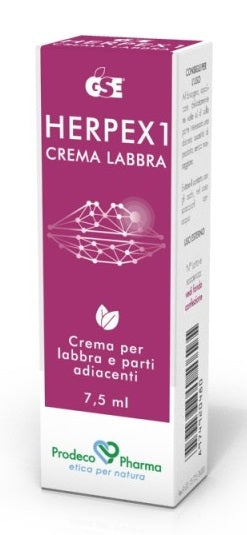
GSE HERPEX 1 LIP CREAM 7.5 ML
Regular price €12,19Regular priceUnit price per€0,00Sale price €12,19 -
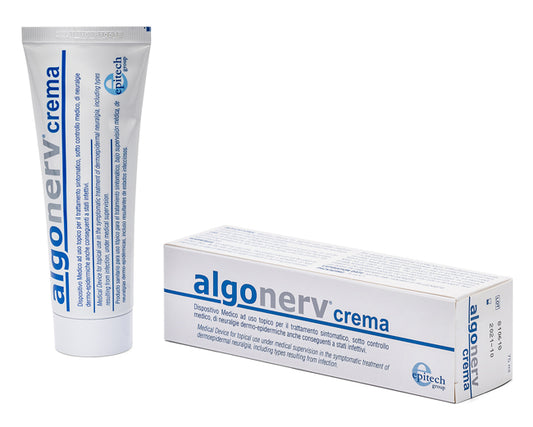 -10%Vendor:ALGONERV
ALGONERV CREAM 75 ML
Regular price €17,04Regular priceUnit price per€19,00Sale price €17,04-10% -
Vendor:HERPASO
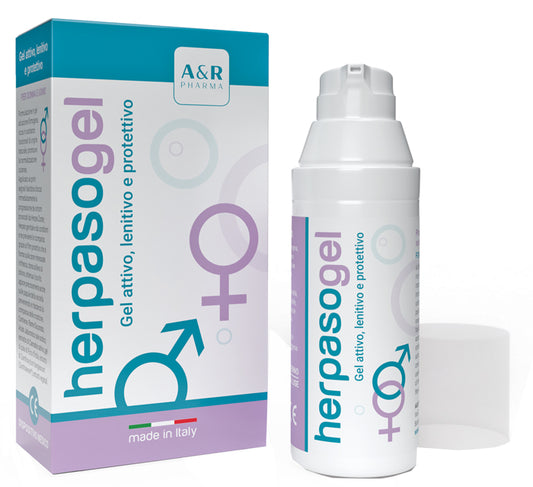
HERPASOGEL ACTIVE SOOTHING PROTECTIVE 50 ML
Regular price €26,60Regular priceUnit price per€0,00Sale price €26,60 -
Vendor:GSE
GSE HERPEX 1 30 TABLETS
Regular price €16,30Regular priceUnit price per€16,50Sale price €16,30-1% -
Vendor:SANDOZ
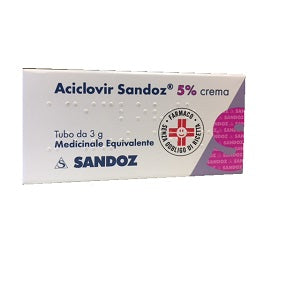
ACICLOVIR SAND "5% CREAM"3 G TUBE"
Regular price €9,78Regular priceUnit price per€0,00Sale price €9,78 -
Vendor:3860
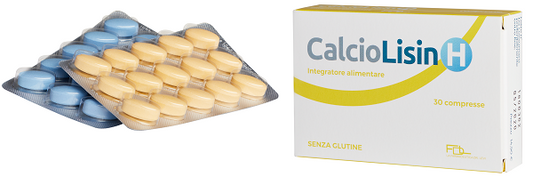
CALCIOLISIN H 30 TABLETS
Regular price €14,53Regular priceUnit price per€14,90Sale price €14,53-2% -
Vendor:MYLAN
ACICLOVIR MY "5% CREAM"3 G TUBE"
Regular price €9,30Regular priceUnit price per€0,00Sale price €9,30 -
Vendor:KERA'
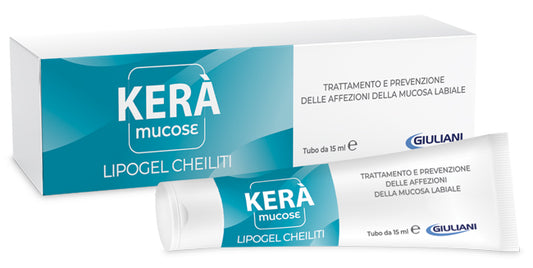
KERA' MUCOSE LIPOGEL CHEILITIS 15 ML
Regular price €16,32Regular priceUnit price per€0,00Sale price €16,32 -
Vendor:TEVA
ACICLOVIR DOROM "5% CREAM"3 G TUBE"
Regular price €8,80Regular priceUnit price per€0,00Sale price €8,80






Take care of your skin
Complete care for beautiful skin. Take advantage of our special offers!