
-
Vendor:2907
SUADIAN 10 MG/G CREAM 30G TUBE
Regular price €13,20Regular priceUnit price per€0,00Sale price €13,20 -
Vendor:705B
ICTAMMOL AFOM 10% OINTMENT G 30
Regular price €4,50Regular priceUnit price per€0,00Sale price €4,50 -
Vendor:TROSYD
TROSYD 1% CREAM TUBE 30 G
Regular price €15,00Regular priceUnit price per€0,00Sale price €15,00 -
Vendor:TRAVOGEN
TRAVOGEN 1% CREAM TUBE 20 G
Regular price €17,80Regular priceUnit price per€0,00Sale price €17,80 -
Vendor:CANESTEN
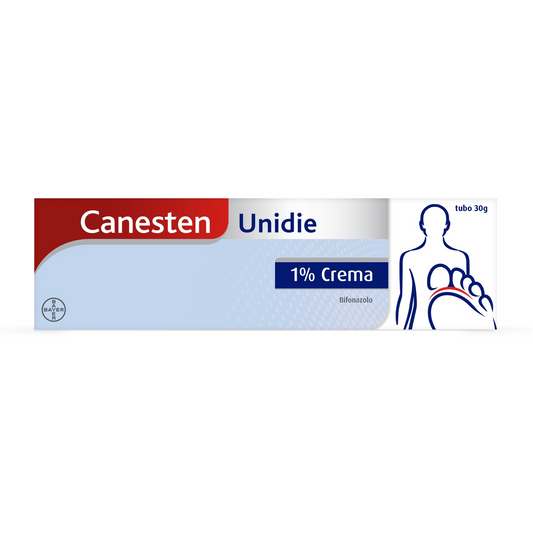
CANESTEN UNIDIE 1% CREAM 1 TUBE 30 G
Regular price €18,30Regular priceUnit price per€0,00Sale price €18,30 -
Vendor:5491
MICLAST 10 MG/G CREAM 1 TUBE OF 30 G
Regular price €12,20Regular priceUnit price per€0,00Sale price €12,20 -
Vendor:AZOLMEN
AZOLMEN "1% GEL" TUBE 30 G"
Regular price €11,90Regular priceUnit price per€12,15Sale price €11,90-2% -
Vendor:6399
ZINC OXIDE "10% OINTMENT" 30 G TUBE
Regular price €4,80Regular priceUnit price per€0,00Sale price €4,80 -
Vendor:PEVARYL
PEVARYL "1% SKIN SPRAY, ALCOHOL SOLUTION" 30 ML BOTTLE"
Regular price €16,55Regular priceUnit price per€0,00Sale price €16,55 -
Vendor:5491
MICLAST 10 MG/G CUTANEOUS SOLUTION 1 BOTTLE OF 30 ML
Regular price €12,20Regular priceUnit price per€0,00Sale price €12,20 -
Vendor:CANESTEN
CANESTEN 1% CREAM 30 G TUBE
Regular price €15,80Regular priceUnit price per€0,00Sale price €15,80 -
Vendor:PEVARYL
PEVARYL "1% SKIN POWDER" 30 G BOTTLE"
Regular price €15,00Regular priceUnit price per€0,00Sale price €15,00 -
Vendor:SUADIAN
SUADIAN 10 MG/ML SKIN SOLUTION 30 ML BOTTLE WITH NEBULIZER
Regular price €13,20Regular priceUnit price per€0,00Sale price €13,20 -
Vendor:NIZORAL
NIZORAL "2% CREAM"30G TUBE"
Regular price €16,30Regular priceUnit price per€0,00Sale price €16,30 -
Vendor:6539
KETONOVA "2% SHAMPOO"1 HDPE BOTTLE OF 120 ML"
Regular price €18,00Regular priceUnit price per€0,00Sale price €18,00 -
Vendor:DAKTARIN
DAKTARIN 20 MG/G CREAM 1 TUBE OF 30 G
Regular price €20,14Regular priceUnit price per€0,00Sale price €20,14 -
Vendor:PEVARYL
PEVARYL "1% NON-ALCOHOLIC SKIN SOLUTION" 6 SACHETS 10 G"
Regular price €18,54Regular priceUnit price per€0,00Sale price €18,54 -
Vendor:NIZORAL
NIZORAL 20MG/G SHAMPOO 100G BOTTLE
Regular price €20,90Regular priceUnit price per€0,00Sale price €20,90 -
Vendor:PEVARYL
PEVARYL 1% CREAM, 30 G TUBE
Regular price €15,00Regular priceUnit price per€0,00Sale price €15,00 -
Vendor:CANESTEN
CANESTEN "1% SKIN POWDER" 1 BOTTLE 30 G"
Regular price €15,80Regular priceUnit price per€0,00Sale price €15,80




Take care of your skin
Complete care for beautiful skin. Take advantage of our special offers!